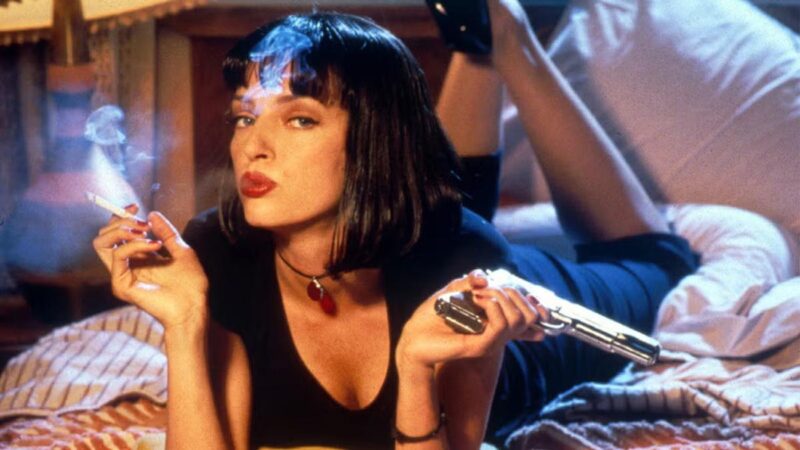
How Pulp Fiction Redefined Modern Cinema
A film that broke the rules and made new ones
There are films that succeed within the system, and then there are films that challenge the system itself. Pulp Fiction belongs firmly in the second category. It didn’t just tell a story differently — it changed the way audiences understood narrative structure, character and dialogue in modern cinema.
At a time when linear storytelling dominated mainstream filmmaking, Quentin Tarantino delivered a fragmented narrative that demanded attention and rewarded engagement. The film doesn’t guide the viewer in a traditional sense. Instead, it invites them to piece together the story, creating a more active and immersive experience.
Quick View
Concept: Interwoven stories set in a stylized criminal underworld.
Style: Non-linear, dialogue-driven and culturally layered.
Approach: Character moments over plot progression.
Average Rating: Consistently ranked among the greatest films ever made.
Context: A defining film of the 90s that reshaped independent and mainstream cinema.
Structure as identity
The non-linear structure of Pulp Fiction is not a gimmick — it is the film’s identity. By rearranging time, Tarantino transforms the narrative into a puzzle. Events are revisited from different angles, and the meaning of certain moments shifts depending on when and how they are revealed.
This approach creates a rhythm that feels unpredictable yet controlled. The film moves between tension and calm, violence and humor, without ever losing its sense of direction. It’s a balancing act that very few films have managed to replicate successfully.
Dialogue that became culture
If structure defines the film, dialogue is what gives it its voice. Conversations in Pulp Fiction rarely serve a purely functional purpose. They are not just there to move the plot forward. Instead, they build character, create atmosphere and often redefine entire scenes.
Seemingly trivial discussions about everyday topics become memorable because of how they are written and performed. This focus on dialogue shifts the audience’s attention from what is happening to how it is happening, reinforcing the film’s unique tone.
Characters that exist beyond the story
One of the film’s greatest strengths lies in its characters. Vincent Vega, Jules Winnfield, Mia Wallace — each one feels fully realized, even when their screen time is limited. They exist beyond the boundaries of the scenes they appear in.
The film doesn’t rely on traditional arcs or clear transformations. Instead, it captures moments in the lives of these characters, allowing the audience to interpret their journeys rather than presenting them in a predefined way.
Tone, style and influence
Pulp Fiction operates in a space where violence and humor coexist. It can shift from tension to absurdity within seconds, creating a tone that feels both unpredictable and intentional. This blend became one of the film’s most influential traits.
Its impact can be seen across decades of filmmaking. From dialogue-heavy scripts to non-linear narratives, many elements that are now familiar were, at the time, disruptive. The film didn’t just inspire imitation — it changed expectations.
How it has aged: still fresh, still relevant
Despite being deeply rooted in the cultural landscape of the 90s, the film remains remarkably fresh. Its structure still feels bold, its dialogue still resonates, and its characters still stand out.
This longevity speaks to the strength of its design. Pulp Fiction was not built around trends, but around a distinct creative vision. That is why it continues to hold its place as a reference point in cinema.
Final verdict
Pulp Fiction is more than a successful film — it is a statement. A demonstration that cinema can break its own rules and emerge stronger.
It doesn’t follow conventions. It creates them. And that is precisely why it remains one of the most important films ever made.
Read our original Spanish analysis of Pulp Fiction for more about the film’s lasting influence on 1990s cinema.
To explore the wider cinematic era around Pulp Fiction, visit our picks from the 20th century, then compare its storytelling legacy with The Godfather Part II.