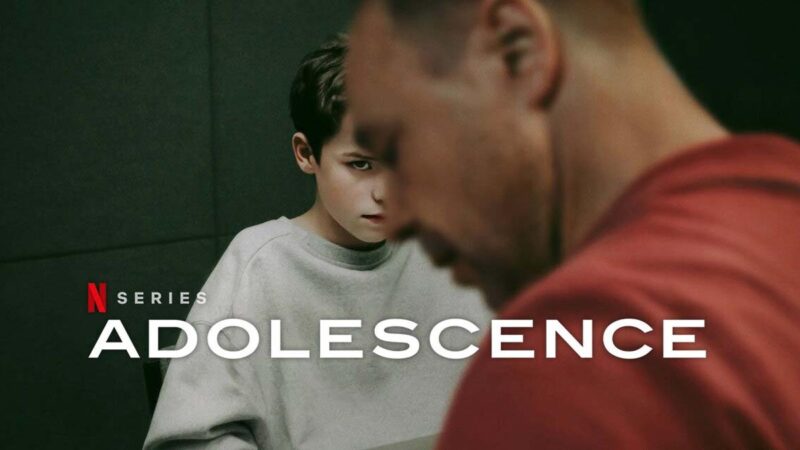
Adolescence on Netflix: Why the Long Takes Make It Exceptional
Adolescence became one of the most talked-about Netflix miniseries of its time, and the obvious question was whether it really deserved so much attention. My answer is yes — but not merely because the subject matter is difficult or the performances are powerful. What fascinated me most was the technical ambition: the way the show uses sustained, apparently uninterrupted shots to place the viewer inside its world.
There is a difference between admiring a series because everybody is discussing it and explaining exactly what makes it exceptional. For me, the staging, acting and coordination of camera movement are what justify the conversation.
What exactly is a long take?
A long take is a sequence filmed so that the action appears to unfold continuously, without a visible cut. It is a demanding way to work. Performers, camera operators and many other crew members have to execute their parts with careful timing; if the movement or performance breaks down, an entire extended sequence may need to be attempted again.
There are different ways to achieve the effect: handheld cameras can move close to the performers, stabilised equipment allows smoother transitions, and cranes or other moving camera systems make it possible to travel between very different spaces.
In Adolescence, the ambition is particularly striking because each episode is presented as one continuous stretch of action. It is not simply a technical stunt. The approach shapes how we experience the tension: we cannot escape a difficult conversation through a comforting edit or a quick change of location.
Is the continuous-shot technique genuine?
Whenever a project is promoted around long takes, viewers naturally wonder how much is done in camera and whether digital transitions have been used. As I argued in the original Spanish review, the achievement should be judged by how convincingly it works on screen rather than by assuming that every technical detail must be proven to the audience.
The movement through interiors, intimate confrontations and wider spaces feels remarkably fluid. That requires precise coordination whatever the exact technical methods used in each moment. The result is a sustained sense of presence that I found extraordinarily effective.
Stephen Graham, Owen Cooper and the performances
Stephen Graham brings the intensity and emotional credibility I have come to expect from him. Owen Cooper also made a strong impression on me as a young performer asked to carry scenes of unusual emotional weight.
The direction by Philip Barantini is crucial here. The camera cannot simply be placed in a room and left to run; every movement has to work with the actors and the emotional logic of the scene. That coordination is where technical ambition becomes storytelling.
The Netflix effect
I also think it would be naive to discuss the success of Adolescence without considering its distributor. Netflix gives projects a degree of visibility that many equally ambitious productions elsewhere may never receive.
That does not make the series any less deserving of praise. It simply means that quality and reach are different things. A strong show with the backing of a platform used by millions has a far easier route into the public conversation than a similarly daring work hidden away on a smaller service.
I would like to see audiences apply the same curiosity to technically inventive series that do not come with the Netflix publicity machine behind them.
A demanding watch — and worth the effort
The natural rhythm of an extended take will not be for everyone. Viewers who prefer fast cutting and constant plot acceleration may find the approach slow or uncomfortable. But the very absence of conventional editing allows us to sit with emotions, silences and moments of pressure that a different style might soften.
This is not the sort of programme I recommend as light entertainment. It is one I recommend to anyone interested in acting, direction and how form can alter the way a story reaches us.
Final verdict
Yes, I believe Adolescence deserves its reputation. Its blend of demanding performances and continuous-shot presentation raises the standard for what a television miniseries can attempt.
My admiration is not just for the subject matter or for the fact that it provokes debate. It comes from seeing technical precision and emotional storytelling support one another for an entire episode at a time.
For another crime miniseries that asks uncomfortable questions about responsibility and institutions, read our review of The Night Of. You can also read my original Spanish analysis of Adolescencia.
The acclaim surrounding Adolescence also feeds into our breakdown of the 2025 Emmy Awards and their major winners.