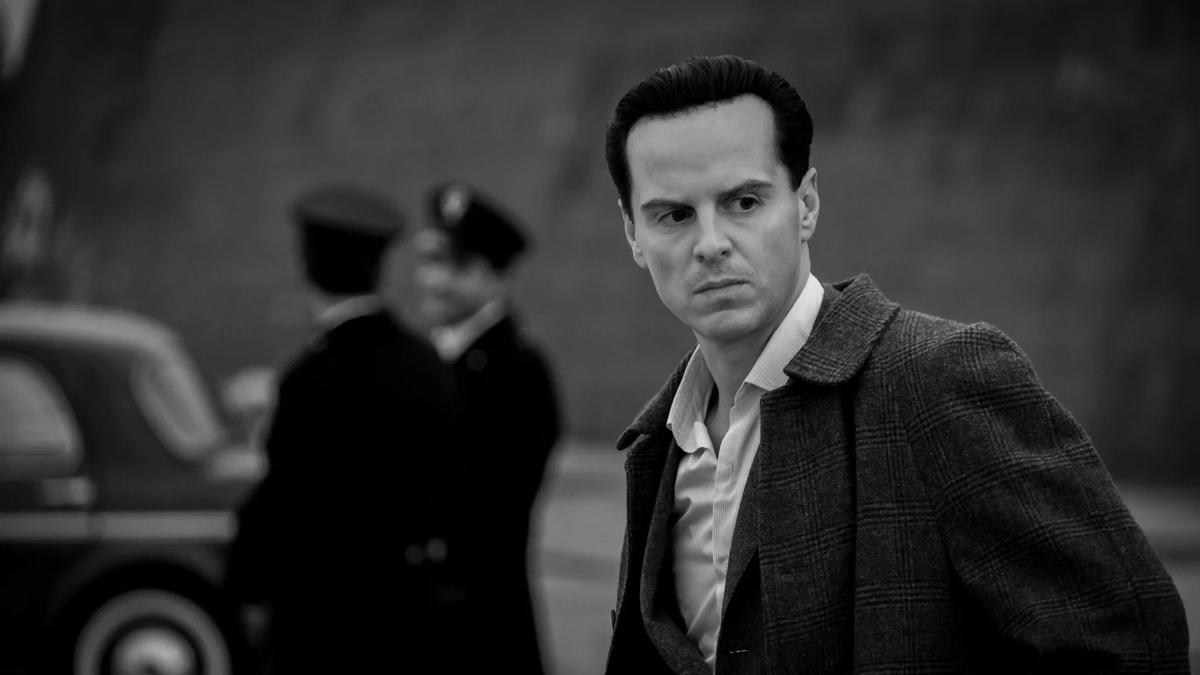
Ripley Netflix vs The Talented Mr. Ripley: Which Is Better?
Ripley is one of the Netflix miniseries that impressed me most in 2024. Anyone familiar with the 1999 film The Talented Mr. Ripley will recognise the basic story, but the television adaptation feels like a very different experience. It is not simply a longer version of the same material: its tone, psychology and visual style give it an identity of its own.
And although I admire the film, I personally prefer the Netflix series. That is not because Matt Damon’s version lacks charm, but because this colder, darker interpretation takes me further inside the disturbing mind of Tom Ripley.
The film and the series are aiming for different things
Anthony Minghella’s 1999 film is vibrant and emotionally accessible, with Damon giving Tom a more youthful, vulnerable quality. There are moments of warmth and even charm that make the character’s moral ambiguity easier to approach.
The Netflix series is much more controlled. Its characters feel more mature, its emotional world is less inviting and its pace is deliberately measured. Tom becomes calculating, withdrawn and deeply unsettling. Where the film often appeals through its energy and emotion, the series explores identity, obsession and self-deception with almost clinical patience.
I think both approaches have their merits. If you want immediate emotional involvement, the film may suit you better. If you enjoy atmospheric psychological thrillers that are willing to make you uncomfortable, the series is the stronger choice for me.
Why the Netflix version wins me over
The biggest difference is the way the series looks at Tom’s psychology. He is a man who desperately wants to become someone else and who seems to have very little stable sense of himself. His desire to belong to a world of privilege is not just social ambition; it becomes an obsession that affects every decision he makes.
The longer format allows the adaptation to live in that unease. The pauses, silences and carefully staged encounters create a sense of emptiness that a faster film might have struggled to sustain. I found that more compelling than a straightforward succession of deceptions and crimes.
Andrew Scott: an unsettling Tom Ripley
Andrew Scott makes Tom calculating, emotionally distant and strangely magnetic. The character is drawn into the wealthy world of Dickie Greenleaf after being asked to persuade him to return home from Italy. What follows is a spiral of manipulation and increasingly serious wrongdoing.
Scott gives Ripley a tension between apparent vulnerability and cold control. He can appear unremarkable one moment and genuinely frightening the next. That ambiguity is one of the great strengths of the adaptation.
Dakota Fanning provides the counterweight
Dakota Fanning brings intelligence, firmness and emotional presence to Marge. Her exchanges with Ripley are filled with suspicion and subtext, helping to prevent the series from becoming entirely absorbed by its protagonist’s manipulative perspective.
I was particularly struck by how much weight Fanning gives their confrontations. In a story dominated by moral emptiness, she provides a human response that matters.
Black and white: a bold choice I don’t entirely defend
The cinematography is one of the show’s most distinctive decisions. The black-and-white images reinforce the period atmosphere, the melancholy and the psychological coldness of the narrative. Light and shadow seem to become extensions of Ripley’s uncertain identity.
I do have a reservation about the aesthetic choice. If the objective were strict historical visual authenticity, there would be other formal decisions worth questioning too. I do not accept the black-and-white approach as automatically superior simply because it looks elegant.
Still, I understand the intention and accept it as part of the artistic concept. The costumes, music and production design build a world of decaying luxury that complements the story exceptionally well.
Final verdict: my choice is the series
I recommend the Netflix Ripley, and I prefer it to the 1999 film. It offers a deeper and more psychologically unsettling interpretation of Tom, with remarkable work from Andrew Scott and Dakota Fanning.
There is one obvious qualification: comparing a film with a miniseries is not entirely fair. The television format has much more time to develop the characters and their contradictions. That advantage should be acknowledged, not ignored.
Even so, as a miniseries, Ripley stands well above the average for me. Its deliberate pace will not appeal to everybody, but its atmosphere, precision and uncomfortable study of identity made it one of my most memorable viewing experiences of 2024.
You can also read my original Spanish comparison of Ripley and The Talented Mr. Ripley, or explore more miniseries reviews.
For another unsettling miniseries where crime changes the lives of everyone involved, see our review of The Night Of.
For another modern adaptation of a suspense novel, explore our assessment of the miniseries I Will Find You.